A floor chosen because it photographs well can still be the wrong floor if grease, grit or a wet mop makes it unreliable, or if nobody has named the day it gets replaced. Start from soil and washing, not from a mood board.
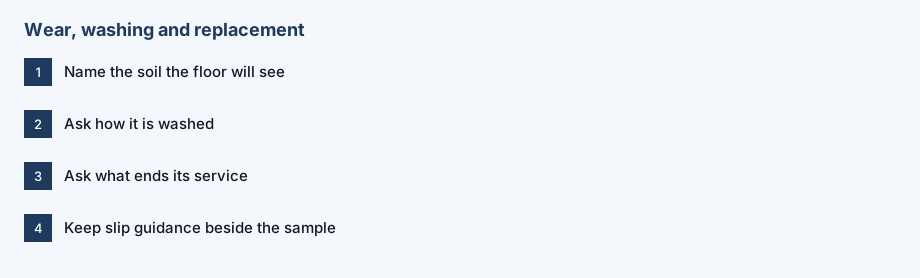
Write the soil the floor will see, the wash method the supplier will put in writing, and the condition that ends its service. No friction coefficient, pendulum value or years-of-life number is printed. None was read. The local industry library, queried 14 October 2026 for vinyl and floor wording, returned packaging and unrelated vinyl items, not a floor-finish data sheet.
| Question | Write the answer from | Do not fill with |
|---|---|---|
| What soil arrives? | Your own note of grit, grease or water | A generic "high traffic" label |
| How is it washed? | The supplier's written method and chemistry limits | A guess from a showroom |
| When is it retired? | A defect you can point at: crack, lip, polish loss | A round number of years |
| Slip pointer | HSE slips index, opened 14 October 2026 | A coefficient this page did not read |
The HSE page lists causes and prevention, and its questions include surfaces and weather. That is a signpost. It is not a ranking of tiles.
Planning the weeks when that floor is being replaced, while customers remain, is a partial refit. The parent page is commercial spaces.

If two suppliers offer samples, label each sample with the date it arrived and the soil you rubbed on it. Keep those labels in the shop file. They are your record, not a ranking published here.
Method and sources
Original table. HSE slips index, 14 October 2026. Library query noted, no floor sheet used. Updated October 2026.